Two ways to state strength
Alcohol by volume, or ABV, is the percentage of the liquid that is alcohol. In the United States, proof is simply twice that figure: 40 percent ABV is 80 proof, and 50 percent is 100 proof. Labels sold in the US show ABV and often show proof as well. Either one tells you the same thing about the bottle.
The common strengths
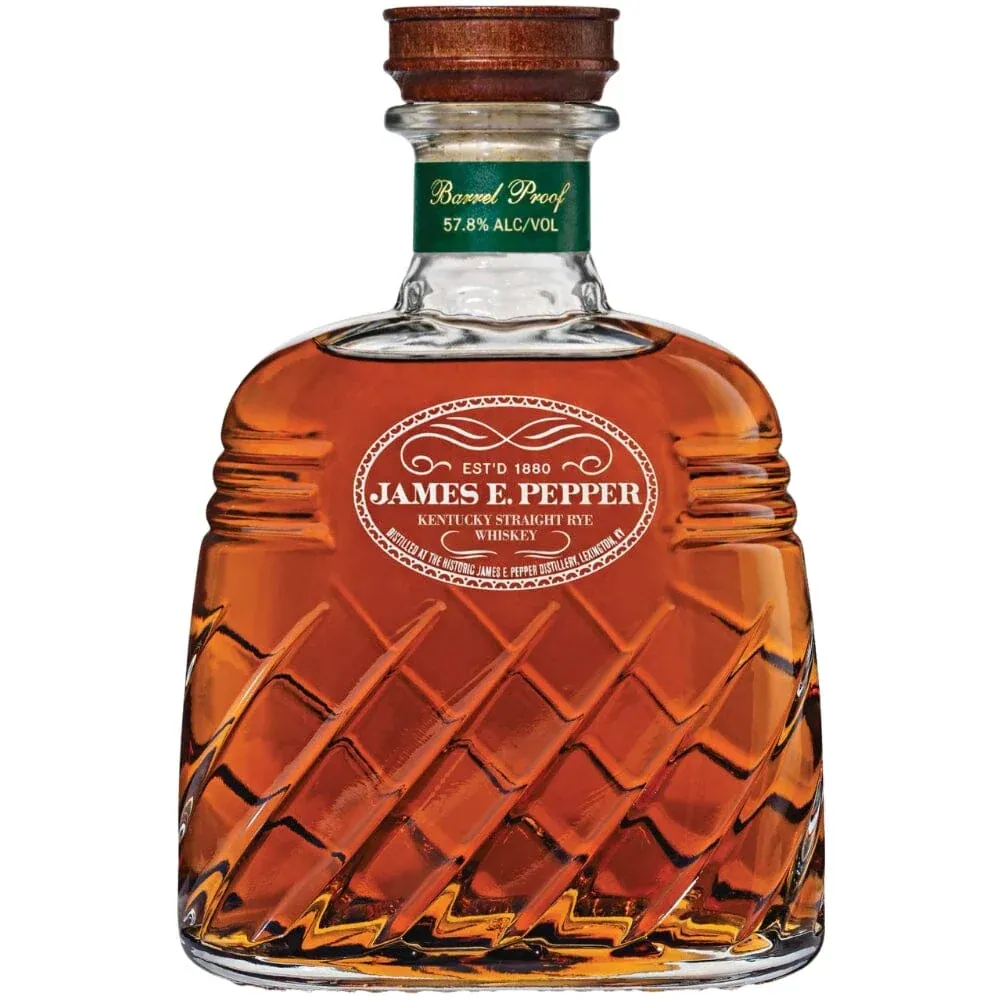
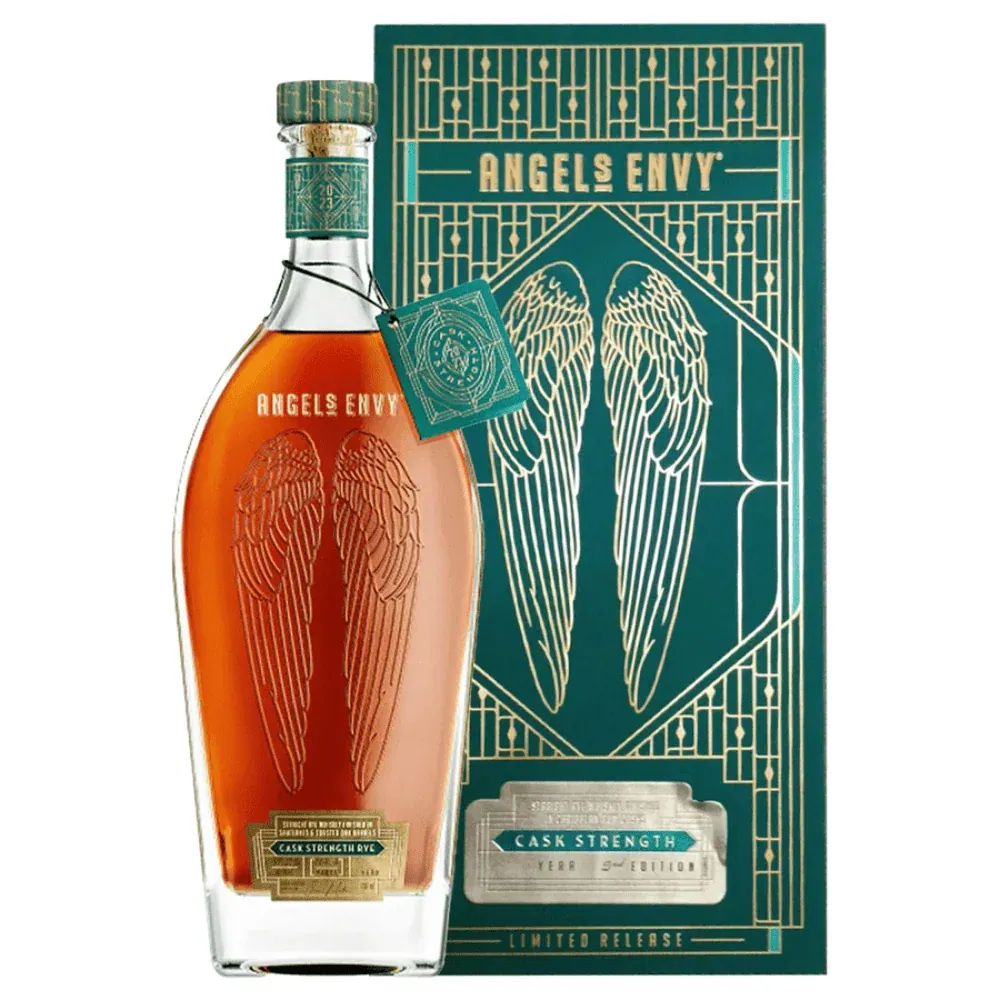
Bourbon and rye must be bottled at 80 proof or more, and Scotch whisky at a minimum of 40 percent ABV. Many standard bottlings sit between 80 and 100 proof. Bottled-in-bond whiskey is always 100 proof. Anything described as barrel proof or cask strength has had little or no water added before bottling.
What barrel proof means in the glass
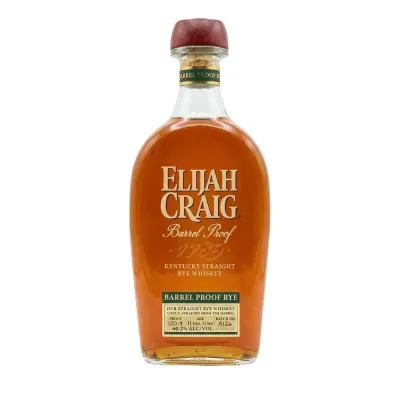
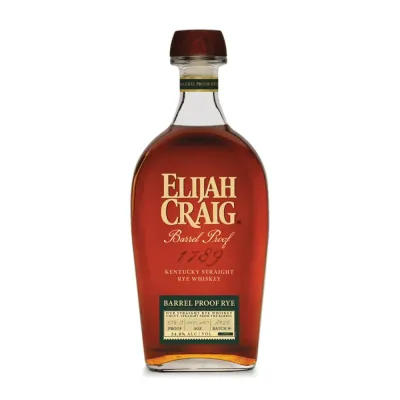
Barrel proof whiskey is bottled at or very close to the strength it left the cask, which is often well above 110 proof. Flavours are concentrated and the alcohol is more present. Many people add a little water to open it up, a few drops at a time. Pour smaller measures than you would of a standard bottling and take your time.
Why the figure matters when you buy
Strength affects how a whiskey tastes, how it behaves in a mixed drink and how far a bottle goes. It is also part of knowing what you are drinking. Check the ABV listed on the product page for the specific bottle, since the same name can be released at several strengths. Please enjoy responsibly, whatever the number.
Find your next bottle.
Compare the details on each listing, then add your choice to the cart.
Explore the range