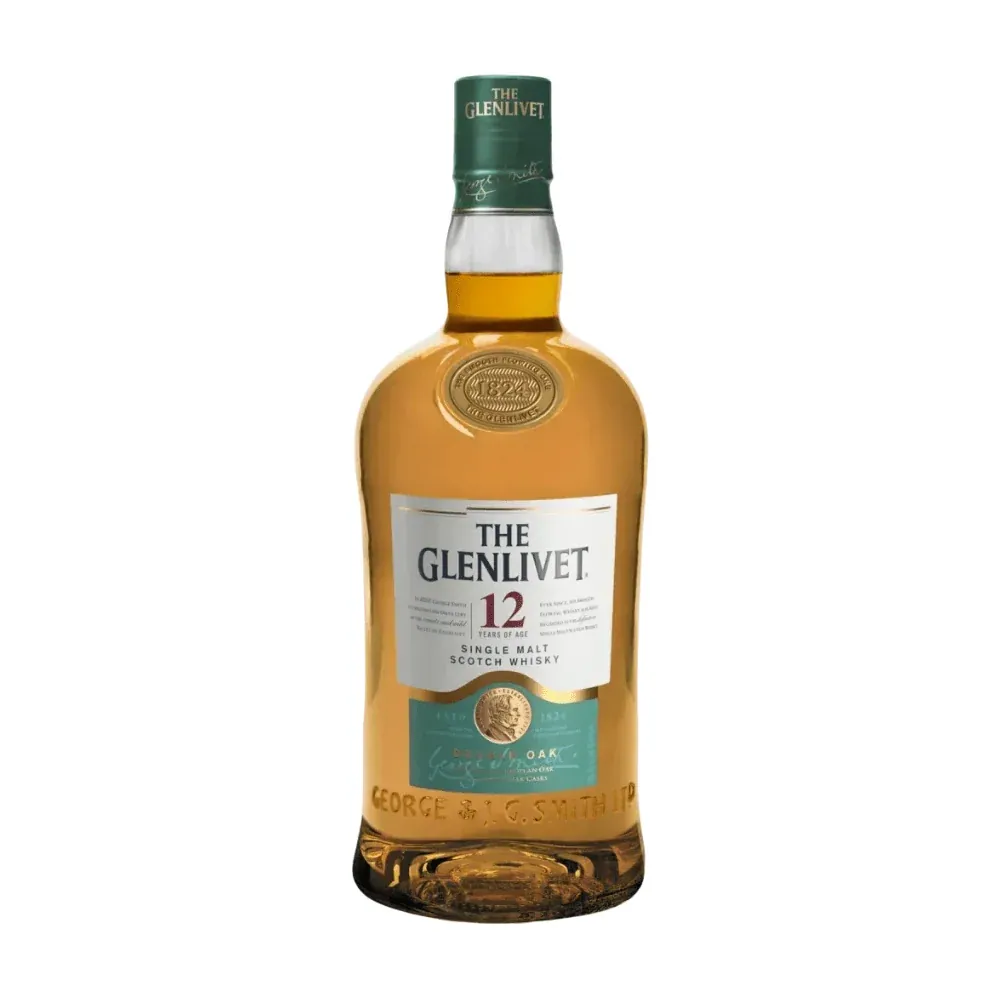
 The Glenlivet 12 Year Speyside Single Malt Scotch Whisky 1.75L
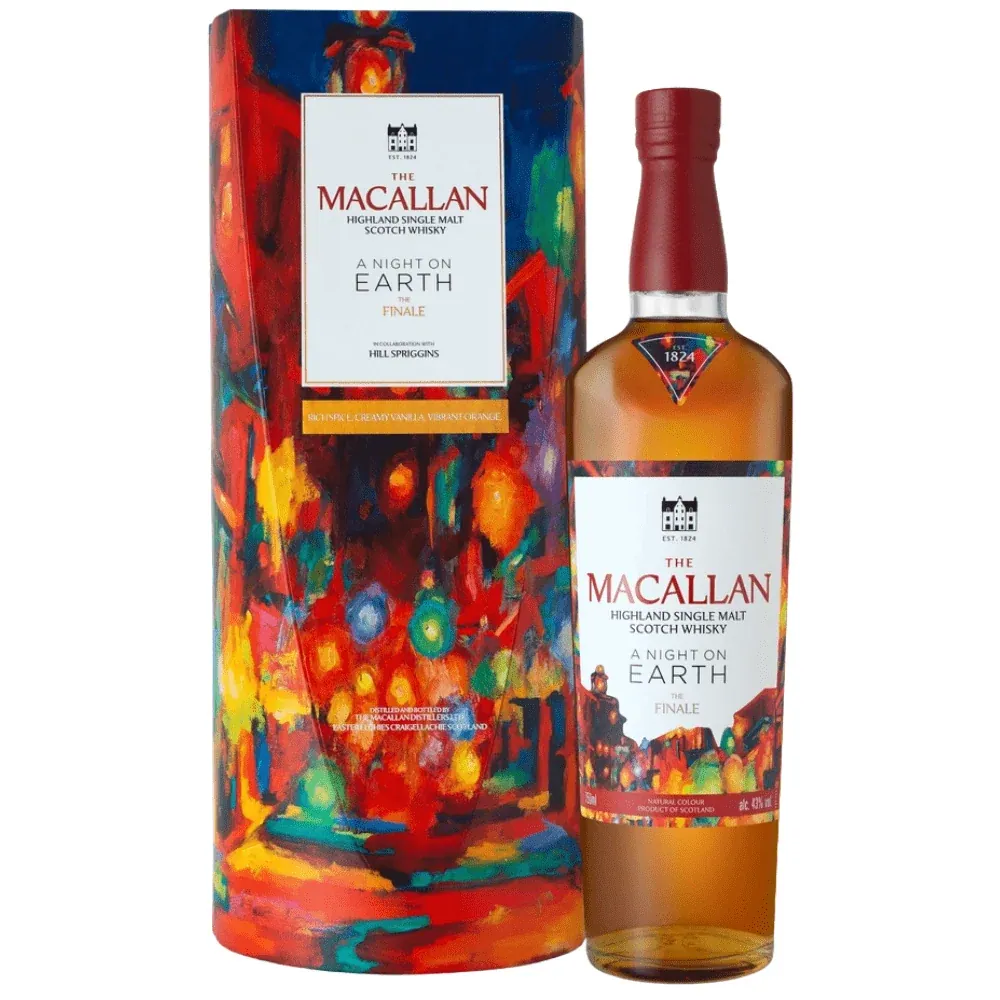 The Macallan A Night on Earth: The Finale
Why tasting is worth the time
A whisky spends years in a cask before it reaches you, and most of what it picked up there is aroma. Drinking it quickly skips nearly all of it. Tasting is simply a way of slowing down enough to notice what is in the glass: where the sweetness sits, whether there is fruit or spice or smoke, and how long the flavour stays once you have swallowed. It also happens to be the most reliable way to work out what you like, which makes the next bottle easier to choose.
Choose a glass that gathers aroma
A glass that narrows toward the rim holds the aroma above the liquid, which is why tulip-shaped tasting glasses are so widely used. A wide tumbler is comfortable and perfectly good for a relaxed pour with ice, but it lets more of the aroma drift away. Whichever you use, make sure it is clean and free of detergent smells, and pour a small measure so there is room in the glass for the aroma to collect.
Look before you smell
Hold the glass to the light. Colour comes from the cask, and it ranges from pale straw to deep amber. It can hint at the type of cask and the time spent in it, though it is not a measure of quality, and some whiskies are permitted to have colouring added. Tilt the glass and watch the liquid run back down; a slow, thick trail often goes with a higher strength or a richer texture.
Nose it gently
Bring the glass up slowly and breathe in with your mouth slightly open, especially with a strong whisky, where a deep sniff mostly delivers alcohol. Take it away, then return. First impressions are usually broad: sweet, fruity, grainy, smoky. On the second and third pass, more specific things appear. There are no wrong answers here. If it reminds you of toast or orange peel, that is a useful note.
Take a small first sip
The first sip mostly prepares your palate, so keep it small and let it cover your tongue before swallowing. On the second, pay attention to the order in which things arrive: what you notice at once, what develops in the middle and what is left at the end. The finish, meaning how long the flavour lasts and how it changes, is often where two similar whiskies turn out to be quite different.
Add water a few drops at a time
A little still water can make a whisky easier to read, particularly at cask strength, by softening the alcohol and releasing aroma. Add a few drops, swirl and taste again. Keep going only while it improves; it is easy to add more and impossible to take it out. Ice chills and dilutes at the same time, which mutes aroma, so it suits a casual drink better than a careful tasting.
Keep notes, and keep it moderate
Write down the name, the strength and three or four words about what you found. Over time those notes show a pattern, and the pattern is your own taste. If you are comparing several whiskies, pour small measures, start with the lightest and lowest in strength, and drink water between them. Tasting is about attention, not quantity. Please enjoy responsibly.
Find your next bottle.
Compare the details on each listing, then add your choice to the cart.
Explore the range