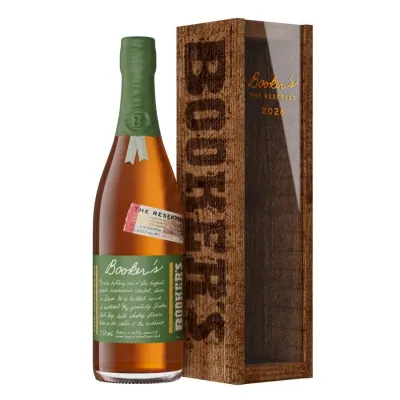
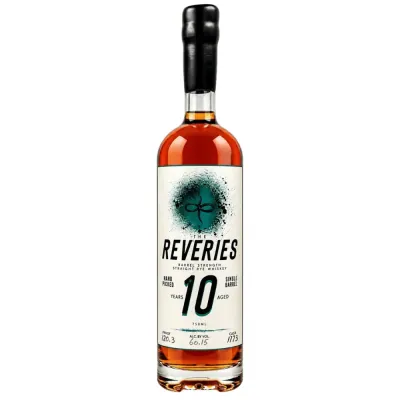
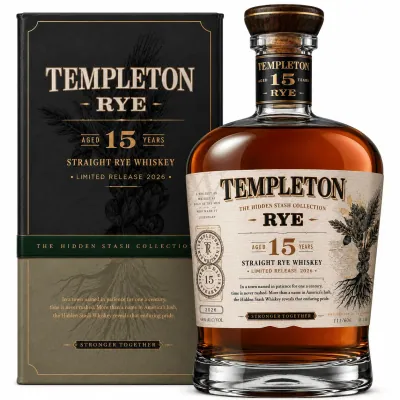
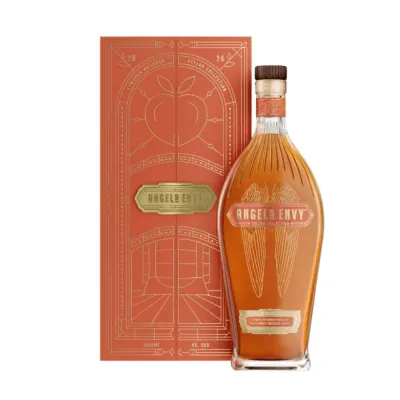
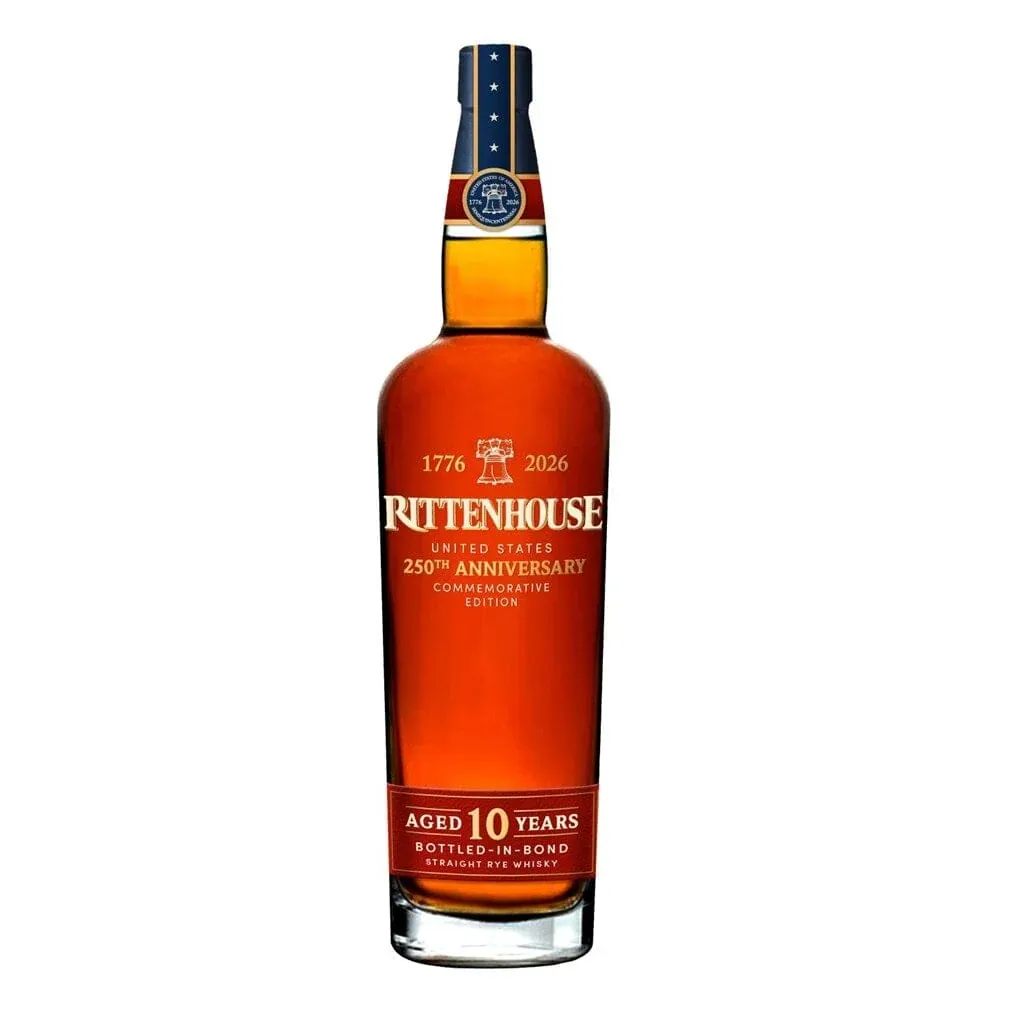
 Rittenhouse 250th Anniversary Commemorative Straight Rye Whiskey
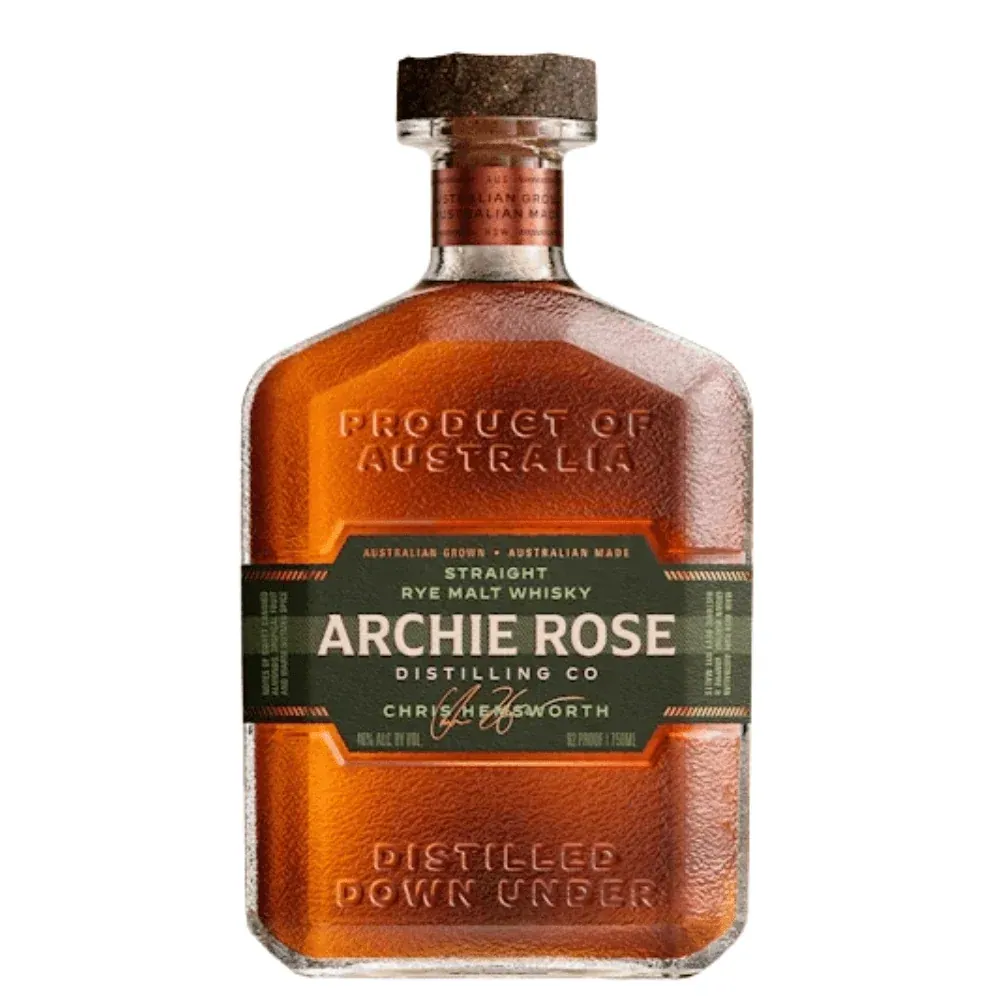 Archie Rose Straight Rye Malt Whisky 750mL
What they have in common
All whisky starts the same way: grain is mashed, fermented into something close to beer, distilled and then matured in wooden casks. What separates one style from another is which grain is used, what kind of cask it rests in, how long it stays there and the rules of the place it is made. The spelling varies too. Whiskey is usual in the United States and Ireland, whisky in Scotland, Canada and Japan.
Bourbon: corn and new oak
Bourbon is made in the United States from at least 51 percent corn and aged in new charred oak barrels. Corn gives sweetness, and fresh charred oak adds vanilla, caramel and toasted wood quickly, which is why bourbon tends to taste rich and rounded even at a moderate age. It is the style most people find easiest to enjoy first, and it works equally well neat, over ice or in a classic mixed drink.
Rye: the spicier cousin
American rye whiskey follows nearly the same rules as bourbon, with one change: the mash must be at least 51 percent rye grain. Rye brings a drier, more peppery character, often with herbal or baking-spice notes. It is the traditional base for several well-known stirred drinks, and it is a good next step for anyone who enjoys bourbon and wants something with a little more edge.
Scotch: malt, time and sometimes smoke
Scotch whisky is made in Scotland and matured in oak casks for at least three years. Single malt Scotch comes from one distillery and is made from malted barley in pot stills. Most Scotch is aged in casks that have been used before, often for bourbon or sherry, so the oak influence is gentler and slower. Some distilleries dry their barley over peat smoke, which gives the smoky character associated with Islay.
Irish and Japanese whisky
Irish whiskey must also be aged for at least three years, and is often described as light and approachable; single pot still whiskey, made from a mix of malted and unmalted barley, is a style particular to Ireland. Japanese whisky grew out of Scottish methods and is known for balance and precision. Both are worth exploring once you have a feel for the main styles.
Where to begin
Start with what you already like. If you prefer sweeter flavours, begin with a straight bourbon. If you like spice, try a rye. If you are curious about fruit, malt or smoke, look at single malt Scotch. Check the ABV and the bottle size listed for each one, try them in small measures, and let your own notes decide what comes next. Please enjoy responsibly.
Find your next bottle.
Compare the details on each listing, then add your choice to the cart.
Explore the range